From 10 April 2026, non-EU travellers arriving at Amsterdam Schiphol no longer receive a passport stamp. Instead, the border runs on the new Entry/Exit System (EES). It keeps a biometric record of everyone who enters and leaves the Schengen Area. A second system, ETIAS, is also on the way, but it works in a completely different manner and is not yet required. This guide explains what each one is, what changes at Schiphol, who is affected, and exactly what you need to do before you fly.
Understanding the Two Separate Systems
The two get mixed up constantly, yet they do completely different jobs. EES is a border tool. It logs, biometrically, when you enter and leave the Schengen zone. Arrive at Schiphol and you give four fingerprints and a facial photo. That record replaces the old ink stamp, and it keeps tabs on the 90-days-in-180 limit so you cannot overstay without it showing. It went live on 10 April 2026, and you deal with it in person on arrival.
ETIAS, on the other hand, is a pre-travel authorisation. It is an online application that visa-exempt nationals must complete before departure — think of it as a digital visa waiver. It checks your eligibility to travel against security databases before you even reach the airport. While EES records your physical presence, ETIAS pre-screens your intent to travel. The fee is EUR 20, while applicants under 18 or over 70 are exempt and pay nothing; an authorisation is valid for three years or until your passport expires, whichever comes first. But here is the catch: ETIAS is not in force yet, and its start has been pushed back. As of July 2026, the EU agency eu-LISA has acknowledged that a 2026 launch is no longer feasible, so ETIAS is now expected in 2027, with a firm date due to be set at a board meeting in September 2026. Travelling in 2026? Then EES is the only system that touches you — you do not need ETIAS.
Comparison: EES vs ETIAS at a Glance
Many travellers assume they must apply for ETIAS the moment they hear about new European travel rules. That is not the case for trips in 2026: ETIAS has been delayed and is not required this year. The table below highlights the critical differences — note that EES is a physical, free process at the airport, while ETIAS is a paid, online process done from home.
| EES (Entry/Exit System) | ETIAS (Travel Authorisation) | |
|---|---|---|
| What it is | Biometric entry/exit registration at the border | Online pre-travel authorisation |
| Who needs it | Non-EU travellers crossing the Schengen border | Visa-exempt non-EU nationals |
| Where | At Schiphol border control (kiosks / eGates) | Online, before you travel |
| Biometrics | Yes — 4 fingerprints + facial photo | No |
| Cost | Free | EUR 20 (free under 18 / over 70) |
| Status | Live since 10 April 2026 | Expected 2027 (launch delayed; not required in 2026) |
| Validity | Registration reused for ~3 years | 3 years (or until passport expires) |
Step-by-Step: Arriving at Schiphol Under EES
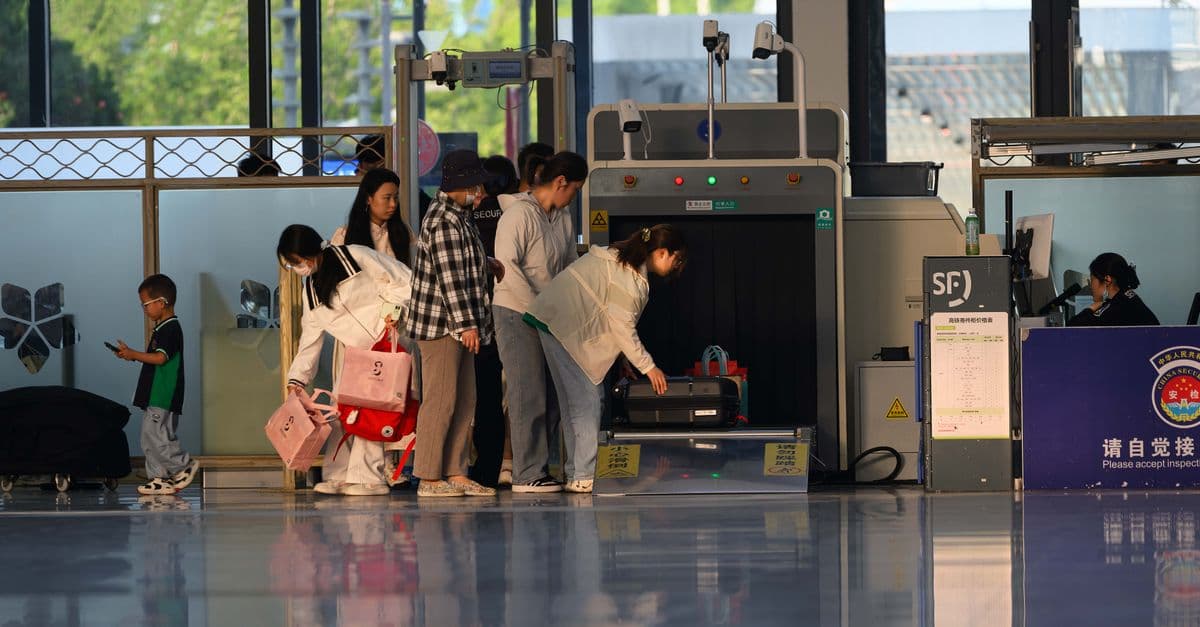
When you land at Schiphol, follow the signs for Arrivals and "Border Control." You will see distinct lanes for EU/EEA citizens and non-EU citizens. As a non-EU traveller, proceed to the non-EU lane, where you will encounter self-service kiosks or eGates. These machines guide you through the process with on-screen instructions in multiple languages, including English, Dutch, and French. If you want to picture the layout in advance, see our Schiphol terminal guide.
At the machine, you place your fingers on the scanner to capture four fingerprints, then look into the camera for a facial photo. The machine verifies your identity against your passport data. For your very first registration under EES, this may take a few minutes longer as the system creates your biometric profile. On subsequent trips within the three-year data retention cycle, it is significantly faster, because the system recognises your existing data. This is designed to reduce queue times, especially during peak summer travel when Schiphol handles well over 100,000 passengers per day.
Who Is Affected and Who Is Exempt?
Not every passenger uses the EES kiosks. The system applies specifically to non-EU nationals who are visa-exempt — this includes citizens of the United States, Canada, Australia, New Zealand, Japan, and the United Kingdom. If you hold a passport from one of these countries, you must register via EES. EU, EEA, and Swiss citizens do not use EES; they continue to use the automated gates for EU nationals, which do not require the same biometric registration.
In addition, non-EU nationals who hold a valid residence permit issued by a Schengen country, or a long-stay (national) visa, are exempt from EES. Their status is already recorded, so they do not provide fresh biometric data at every entry. If you fall into an exempt category, look for lanes marked for "Residence Permit Holders" or "EU/EEA." Pick the wrong lane and you lose time, so check your passport and visa status before you reach passport control. Not sure where you belong? A Schiphol information desk will point you the right way.
How to Speed Through the Border
The process itself is simple. A few habits just make it quicker. Check first that your passport is valid for at least three months beyond the day you plan to leave the Schengen zone. A near-expired one will trip up the machine. Travelling with kids? Under-12s skip the fingerprints but still need a photo, so a family will move a little slower. Leave yourself extra time if the connection is tight.
If you fly through Schiphol often, consider Privium, Schiphol's registered traveller programme, which offers dedicated lanes for security and border control. EES is mandatory for all non-EU visa-exempt travellers, but Privium members often see shorter waits thanks to separate processing lanes. Keep your boarding pass and passport easily accessible rather than buried at the bottom of your bag. A few specific tips:
- Consider Privium membership (around EUR 150 per year) if you fly into Schiphol several times a year; the dedicated lanes can save significant time.
- Make sure your fingertips are clean and dry before scanning — heavy nail polish can occasionally interfere with the fingerprint sensor.
- Arrive at least 2.5 hours before an international flight to absorb any EES queue delays during peak hours (07:00–09:00).
- Have your passport open to the photo page before you reach the kiosk to speed up the document check.
Transit Passengers and Airside Travel
If you are transiting through Schiphol without entering the Schengen Area, the rules differ. Airside transit passengers who remain in the international transit zone do not pass through border control, so they are not required to register with EES. That difference matters when you are connecting between two non-Schengen flights. But the moment your transit makes you pass through passport control, say to collect and re-check baggage, EES registration applies. Schiphol's layout has multiple piers, so check your ticket and the airport signage carefully, and ask airline staff at your gate if you are unsure whether your connection is airside or landside.
For those who do clear border control during a connection, the standard EES procedure applies and you will provide biometric data, which can add time. Allow a sufficient layover — a minimum of around 1.5 hours is sensible for international connections that involve border control. If your layover is shorter, contact your airline in advance. Once you have cleared the border and collected your bags, our Schiphol transport guide covers your onward options into Amsterdam.
Frequently Asked Questions
Do I need ETIAS for my trip in mid-2026?
No. ETIAS is not yet mandatory. Its start has been pushed back: as of July 2026, the EU agency eu-LISA has said a 2026 launch is no longer feasible, and ETIAS is now expected in 2027 (a firm date is due in September 2026). For any trip in 2026 you only need to complete the EES biometric registration at the border. You can travel without an ETIAS authorisation during this period, but keep an eye on official announcements as the launch date approaches.
How long does the EES registration take?
The first registration typically takes around 3–5 minutes, as the system captures your fingerprints and facial photo. Subsequent trips within the three-year cycle are much faster — often under a minute, because the system already holds your biometric data. Queue times vary by time of day and season, but the processing at the kiosk itself is quick.
Is EES free of charge?
Yes. It is a border control procedure funded by the EU, and nobody will ask you to pay — not at the gate, not by a border guard. The only cost tied to the new European travel rules is the ETIAS fee (about EUR 20 for most adults), and that does not apply until ETIAS becomes mandatory.
The Bottom Line
The arrival of EES at Schiphol marks a clear shift towards digital border management. For non-EU travellers it means a slightly different arrival: biometrics instead of a stamp. But the system is built to be faster and more secure over time. Understand the difference between EES and ETIAS, prepare your documents, know your lane, and allow extra time for your first registration. EES is already live, so there is nothing to apply for in advance; ETIAS will require an online application once it launches. For the latest details, always check the official Dutch Immigration and Naturalisation Service (IND) and EU Travel websites before you fly.